Apple Raises iPhone Duo Production Targets Amid Surge in Pre-Orders
The tech giant has expanded its manufacturing goals for its first folding smartphone to meet unexpectedly high consumer interest.
By Anastasia Volkova ·
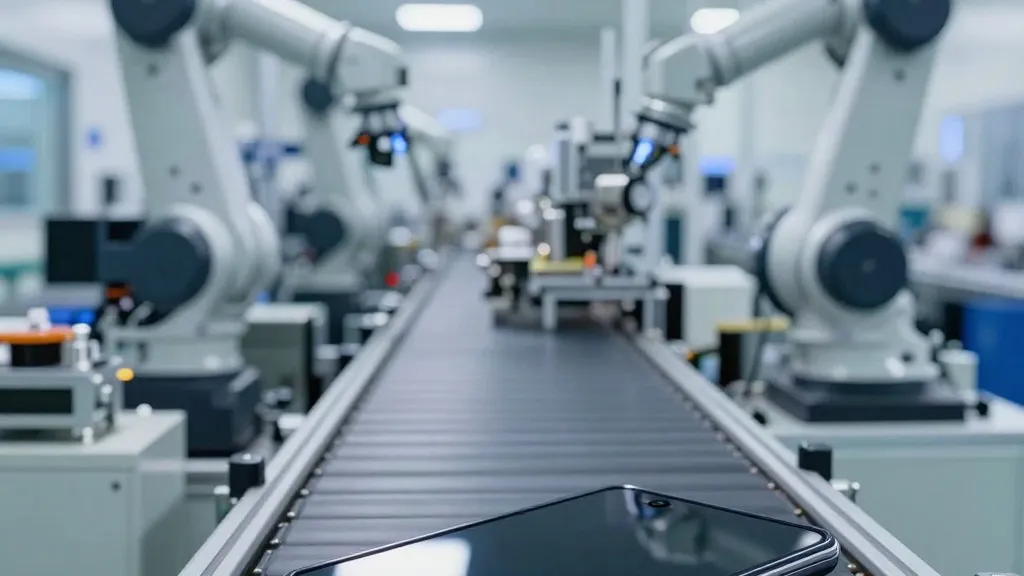
Apple has significantly scaled back its initial production forecasts for the iPhone Duo, a move driven by what the company characterized as exceptional early market response. Following the launch of pre-orders this past Friday, supply chain analysts indicate that the Cupertino-based firm has adjusted its shipment targets upward to accommodate the influx of new customers seeking the company's first foldable device.
The decision to increase output marks a notable shift in strategy for the upcoming holiday season. By boosting its order figures by more than 40%, Apple is signaling confidence in the product's commercial viability. This adjustment comes shortly after delivery windows began to extend rapidly following the opening of sales, a phenomenon that initially left observers uncertain whether the delay was a result of supply constraints or genuine consumer enthusiasm.
A primary factor in the revised numbers is the sheer volume of orders placed immediately after the product became available. Customers reported that estimated arrival dates pushed out to late January almost instantly after the pre-order window opened. Apple attributed this extension to the high volume of interest in the new form factor, using language it has frequently employed during previous major iPhone launches to describe strong market reception.
In an effort to manage the distribution of the hardware, the company implemented a purchase limit, allowing each customer to order a maximum of two units. This measure was specifically designed to mitigate the impact of scalpers, ensuring that the initial stock was distributed more broadly among the general public rather than being hoarded by secondary market resellers. The strict cap on per-customer purchases suggests that Apple anticipated a high level of demand that could outstrip initial inventory levels.
Subsequent adjustments to shipping estimates provide further evidence of the production ramp-up. Some early buyers who initially faced extended wait times have since been notified of earlier delivery dates. This correction aligns with reports from DigiTimes, which cite supply chain sources confirming that Apple has increased its manufacturing throughput. The company expects this strong demand trajectory to persist, prompting the revision of its twelve-month shipment goal from 9.7 million units to 14 million units.
While the hardware rollout is accelerating, the software ecosystem is still catching up to the new device. Early adopters are navigating a landscape where third-party applications have not yet been fully optimized for the folding screen. However, Apple maintains that the situation is improving at a rapid pace as developers update their applications to support the new interface and form factor, aiming to reduce friction for new users.
Initial assessments from users who have spent a week with the device offer a consistent perspective on the current user experience. App compatibility remains a central point of discussion in these early reviews, highlighting the transition period between hardware release and software maturity. Users are generally adjusting to the new capabilities while awaiting broader third-party support.
Another significant aspect of the iPhone Duo that has drawn attention is its biometric security feature. The device utilizes Touch ID rather than the facial recognition system found in other recent iPhones. This design choice was part of the initial five key takeaways identified in early reviews, noting the trade-off between the folding mechanism and the standard Face ID sensor placement.
Looking ahead, reports suggest that Apple is already addressing this aspect in future iterations. The company is currently testing prototypes for the iPhone Duo 2 that incorporate Face ID technology. This development indicates that the move to Touch ID in the first generation was a temporary design decision rather than a permanent shift in Apple's biometric strategy for foldable devices.
As the production lines ramp up to meet the new 14-million-unit target, the focus will remain on how quickly the supply chain can stabilize and how rapidly developers finalize their app updates. The combination of increased hardware availability and improved software optimization will determine the long-term success of the iPhone Duo in the competitive smartphone market.
Source: 9to5Mac