Nvidia Downplays Discovery of Blackwell Ultra Chips in China Telecom Network
Despite identifying 32 banned B300 GPUs in a state-owned Chinese network, Nvidia insists the leak is a minor issue compared to its global install base.
By Mei Lin ·
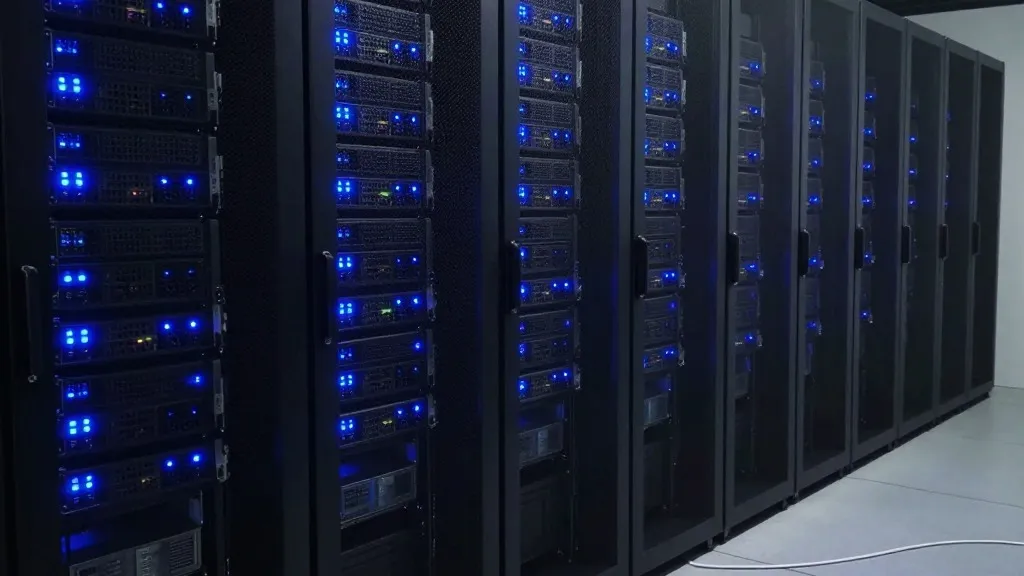
Nvidia has publicly dismissed recent reports of illegal chip smuggling, calling the issue "a drop in the bucket" after security researchers found 32 of its Blackwell Ultra B300 GPUs inside the network of China Telecom. The Israeli security firm Lava identified these specific processors, which are currently barred from export to the region by U.S. regulations, within the infrastructure of the state-owned telecommunications provider. While Nvidia did not deny the findings, a spokesperson argued that the volume of diverted hardware is insignificant compared to the vast amount of domestic computing power China already possesses.
The discovery highlights the ongoing challenge of enforcing export controls on high-performance AI hardware. These B300 chips are only legally sold to whitelisted buyers who agree not to pass them on to sanctioned parties. The presence of these units in a Chinese data center raises questions about how they bypassed these strict protocols. This is not the first time such leaks have occurred; in 2025, it was reported that $1 billion worth of Nvidia AI chips were smuggled into China over a three-month period, with distributors pivoting from the B200 model to the newer B300 series as soon as it became available.
Lava’s team located the chips using Nvidia’s own DCGM Exporter tool, a software utility designed for data center operators to monitor server health and performance. Although intended for internal use, this tool can sometimes be accessed from outside the data center’s network and frequently does not require password authentication. It remains unclear exactly where the chips are located within China Telecom’s network or the specific route they took to arrive there. Nvidia has previously acknowledged it is developing a tool to help locate its chips, but that solution has not yet been released.
The Blackwell Ultra B300 is a highly sought-after component, announced in March of last year as a significant upgrade over the previous generation. It offers 50% more memory and FP4 compute capabilities than the B200, positioning it for advanced AI reasoning tasks. Its high demand has fueled a complex black market, evidenced by the recent indictment of nine individuals in Taiwan for illegally exporting B300 units. This followed an investigation by Supermicro, which resulted in the termination of several employees involved in smuggling operations that utilized a whitelisted trading firm called Flying Tiget Tech.
The scarcity of these advanced chips has also driven up the price of older models. Nvidia’s A100 servers, which are five years old, have seen their prices triple, with units now costing up to $82,000. The intense demand has even led some operators to retool gaming GPUs to handle AI workloads where possible. As the crackdown on smuggling continues, the tension between U.S. export restrictions and the global demand for AI computing power remains a central theme in the technology sector.
Nvidia maintains that with tens of millions of GPUs in service in approved countries, the reported smuggling incidents do not significantly impact the overall market. The company’s stance suggests that while the leak is notable, it does not fundamentally alter the balance of power in the global AI hardware landscape. The next steps will likely involve further investigations into how the chips were accessed and whether Nvidia’s forthcoming location-tracking tool will help prevent similar incidents in the future.
Source: Tom's Hardware