Kyriakos Mitsotakis’ Government Moves to Block Under-15s From Major Social Platforms
Starting next year, Greek children younger than 15 will be legally prohibited from accessing popular social networks unless their parents use specific state-backed verification apps.
By Neha Iyer ·
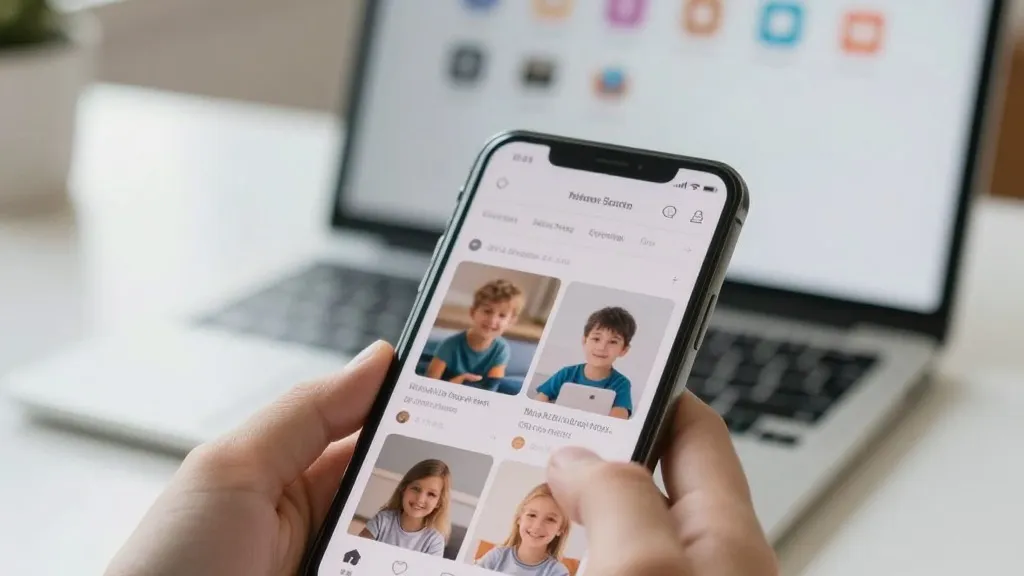
Starting January 1, 2027, Greek children under the age of 15 will face a legal restriction preventing them from accessing major social media platforms. This change means that for millions of young users in the country, their ability to post, scroll, and interact on sites like TikTok, Instagram, Facebook, and X will depend on their parents using new government-issued tools to verify their age.
The measure has become official after Greece’s parliament voted to pass the bill. Prime Minister Kyriakos Mitsotakis, who first proposed the initiative earlier this year, described the legislation as "difficult but necessary." The law positions Greece as one of the first countries within the European Union to impose such a specific age threshold for social media access.
To enforce the ban, digital platforms are required to implement age-verification methods that are both reliable and proportionate. If a service fails to comply with these new standards, it faces financial penalties under the existing EU Digital Services Act. The burden of compliance, however, falls heavily on families, who will need to download state-supported applications to manage their children's access.
Parents will be required to use apps named Kids Wallet or Gov.gr. These applications must be paired with the child’s device to block access until the age requirement is met. Dimitris Papastergiou, Greece’s minister for digital governance and AI, explained that these tools are designed to protect user privacy. They utilize "age tokens" to confirm a user's age while minimizing the amount of personal data disclosed to the platforms.
Papastergiou defended the move by noting that waiting for a perfect European law was an option but no longer viable. "The challenge is here. Children are sinking into the internet every day, and I believe a responsible government must do what it is obliged to do," he stated. He added that it would have been easy for the government to do nothing, but the current situation demanded action.
The path to passage was not without political friction. Minority parties in the Greek parliament opposed the bill, but Mitsotakis’ government utilized its majority to push the legislation through. This move follows a previous 2024 decision by the nation to bar mobile phones in schools, indicating a broader governmental effort to reduce young people's digital exposure. Recent opinion polls suggest that the adult population in Greece widely supports this new social media ban.
The Greek government aims to use its national law as a catalyst for broader continental change. Mitsotakis has stated that the goal is to push the European Union in the same direction. The European Commission recently introduced the EU Kids Act, which aligns with this push, though that proposed law sets the ban threshold at under 13 years old rather than 15.
Greece is not the first nation to attempt such a restriction, but it is taking a different approach to implementation. Australia was the pioneer in enacting a full social media ban for children, yet it has faced significant challenges in making age verification work effectively. By mandating specific state-backed apps and tying compliance to EU fines, Greece is attempting to address the technical hurdles that have complicated the Australian model.
Source: Engadget