Tesla Puts Optimus on High-Volume Line, Bets on AI-Driven Robot Academy
The electric vehicle maker has begun producing production-grade humanoid robots at Fremont, aiming to leverage internal data loops to solve the training gap that plagues the industry.
By Anna Nowak ·
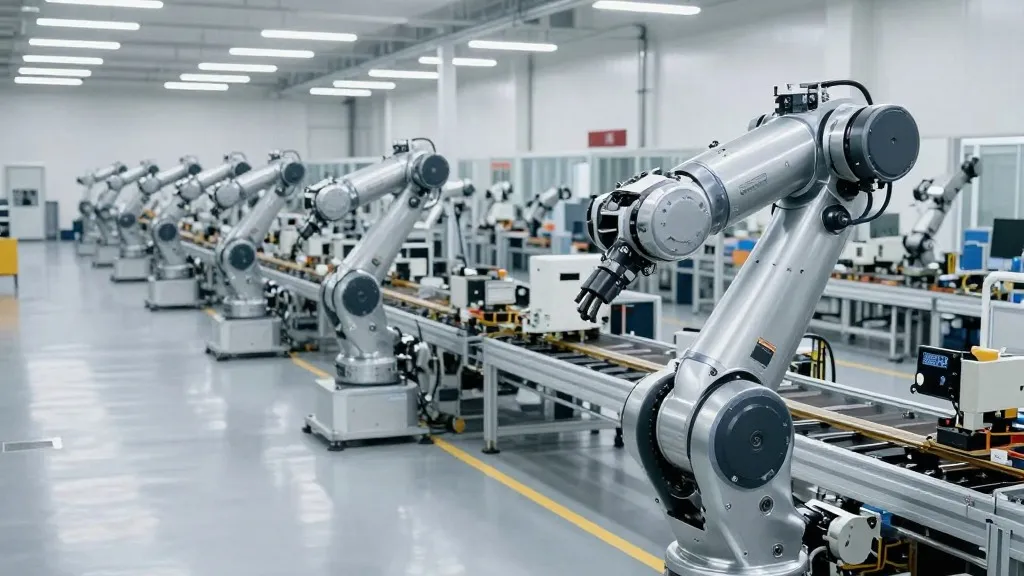
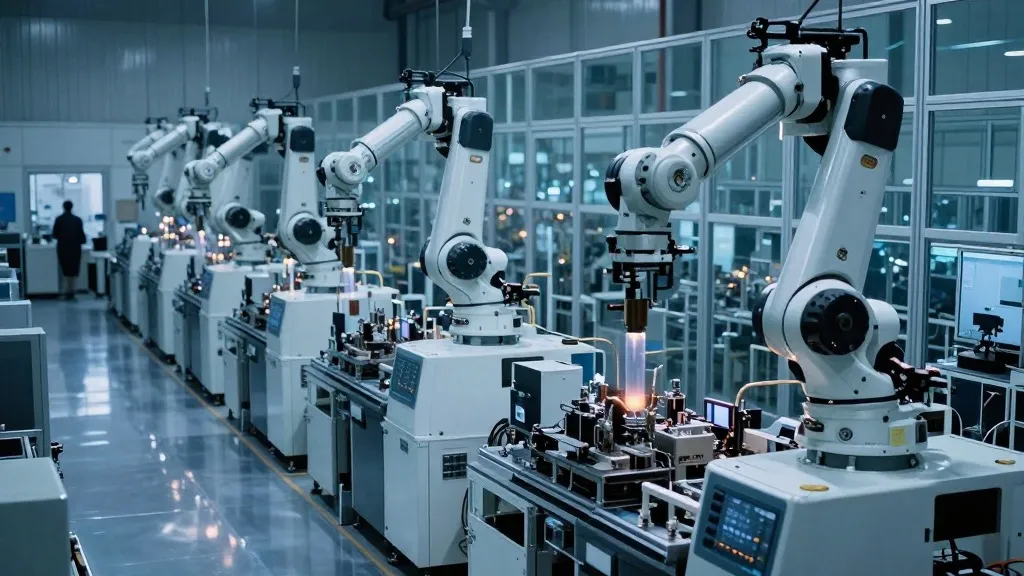
Tesla has entered a critical phase of its humanoid robotics strategy by activating a high-volume production line within its Fremont, California facility. The core tension in the current market lies in the transition from prototype demonstrations to scalable commercial hardware. By shifting the Fremont line from automotive to robotic assembly, the company is asserting that its manufacturing processes are now robust enough to support a product intended for external sale, marking a significant departure from the iterative testing phases that have characterized previous robotics ventures.
The company’s third-quarter shareholder letter confirms that the units rolling off this specific line are the first to meet production-quality standards. Tesla asserts that the current manufacturing workflow is suitable for a commercial product, a claim that validates the industrial feasibility of the Optimus design. This line occupies space previously reserved for Model S and Model X vehicles, which were cleared in 46 days this spring to accommodate the new robotics infrastructure. The physical reconfiguration of the plant underscores a strategic pivot, dedicating a major portion of existing automotive capacity to humanoid output.
From a market perspective, the scale of operations is expanding rapidly. Elon Musk stated on the recent earnings call that most equipment for the target capacity is already in place. The plan is to ramp output toward approximately 20,000 units per week. However, the trajectory is not linear. Musk described the growth curve as a classic S-curve, noting that the initial slope will be shallow as the team refines the robot’s AI, electromechanical design, and reliability. Executives expect these foundational engineering tasks to be completed by the end of next year, at which point deliveries to outside firms for dangerous and repetitive tasks will commence.
A major strategic differentiator is the method used to train the robots. Unlike Tesla’s automotive fleet, which generates massive amounts of real-world driving data for its AI teams, Optimus lacks a comparable existing network of units in the field. To bridge this data gap, the company is implementing an internal ecosystem known as the Optimus Academy. This initiative involves 10,000 to 20,000 robots practicing a wide variety of tasks in a controlled environment. The data generated by these practice sessions is fed back into the model, meaning every unit produced on the Fremont line effectively contributes to the intelligence of the next generation.
Hardware improvements are also scheduled for the near term. Tesla intends to integrate its AI5 chip into Optimus next year, enhancing the robot’s computational capabilities. A new video demonstration is expected within one to two months, showcasing tasks performed by AI-driven logic rather than preprogrammed motions. This move is positioned as a direct counter to rival humanoid demonstrations that rely on scripted routines, which executives argue lack the robustness required for real-world industrial applications.
The supply chain is already aligning with these production targets. In September, Tesla certified Tuopu, Joyson, and Sanhua as mass production partners for key Optimus components. Meanwhile, a larger dedicated facility is under construction at Giga Texas. Drone footage indicates the steel frame of this plant is nearing completion, with a long-term capacity target set at 10 million robots annually. This infrastructure buildout signals a commitment to long-term volume rather than limited-batch production.
Cost structures are being engineered for volume from the outset. Executives noted that Optimus production costs are trending toward the expected manufacturing cost of the Cybercab, suggesting a shared economic logic between the two product lines. Despite the progress, the mechanical hands remain the most challenging component of the design. Significant engineering effort is currently focused on resolving the complexities of the dexterous hand, a critical factor for the robot’s utility in industrial settings.
As Tesla moves from validation to volume, the market is watching for signs of whether the shallow initial slope of the adoption curve will steepen as promised. The success of the Optimus Academy will likely determine how quickly the robots can handle unscripted, real-world scenarios, moving the technology beyond the realm of demonstration and into practical commercial deployment.
Source: Teslarati